We participated in a groundbreaking ceremony on Thursday May 31, 2018 for this very important project! Affordable housing, community engagement, civic responsibility.
|
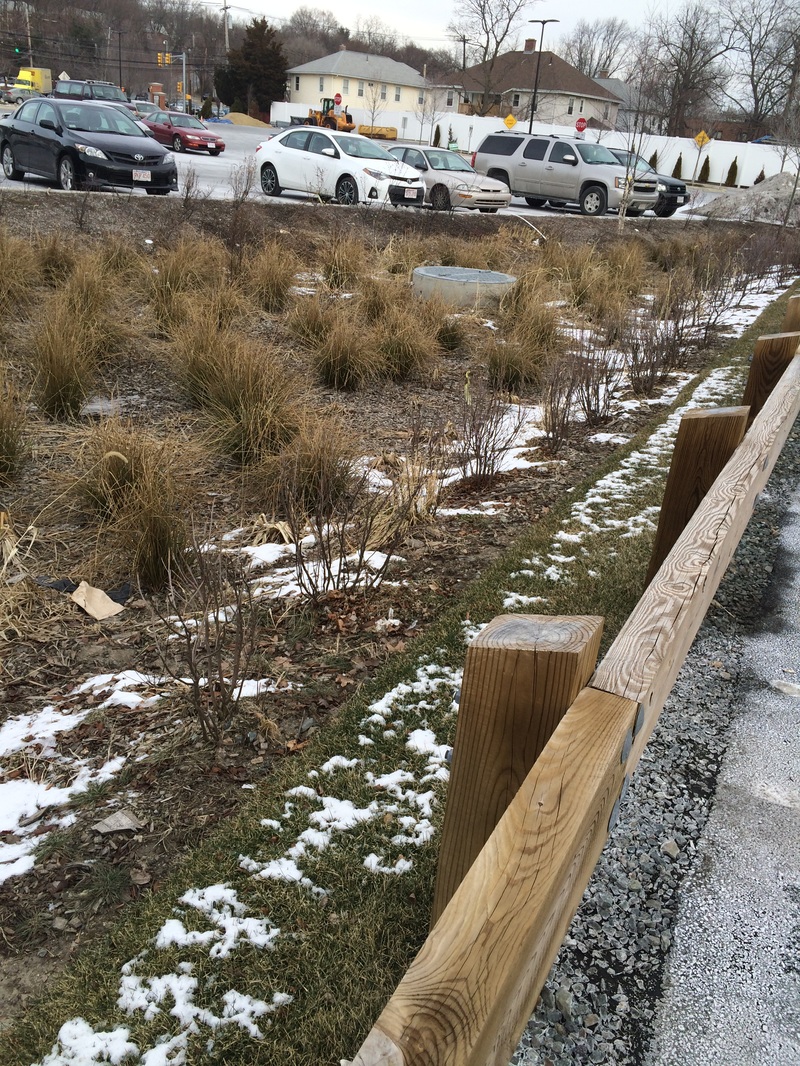
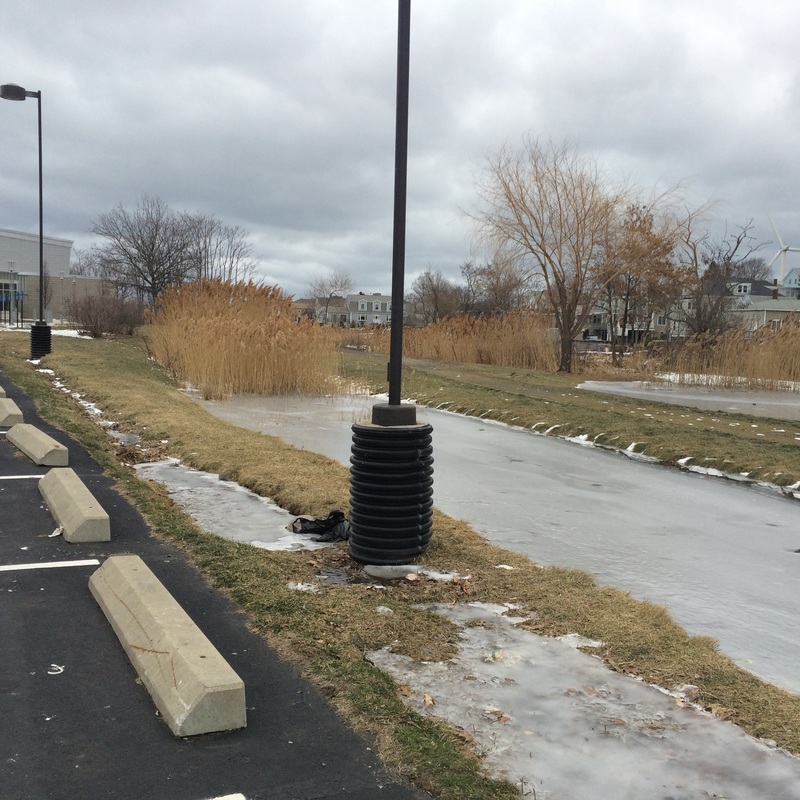
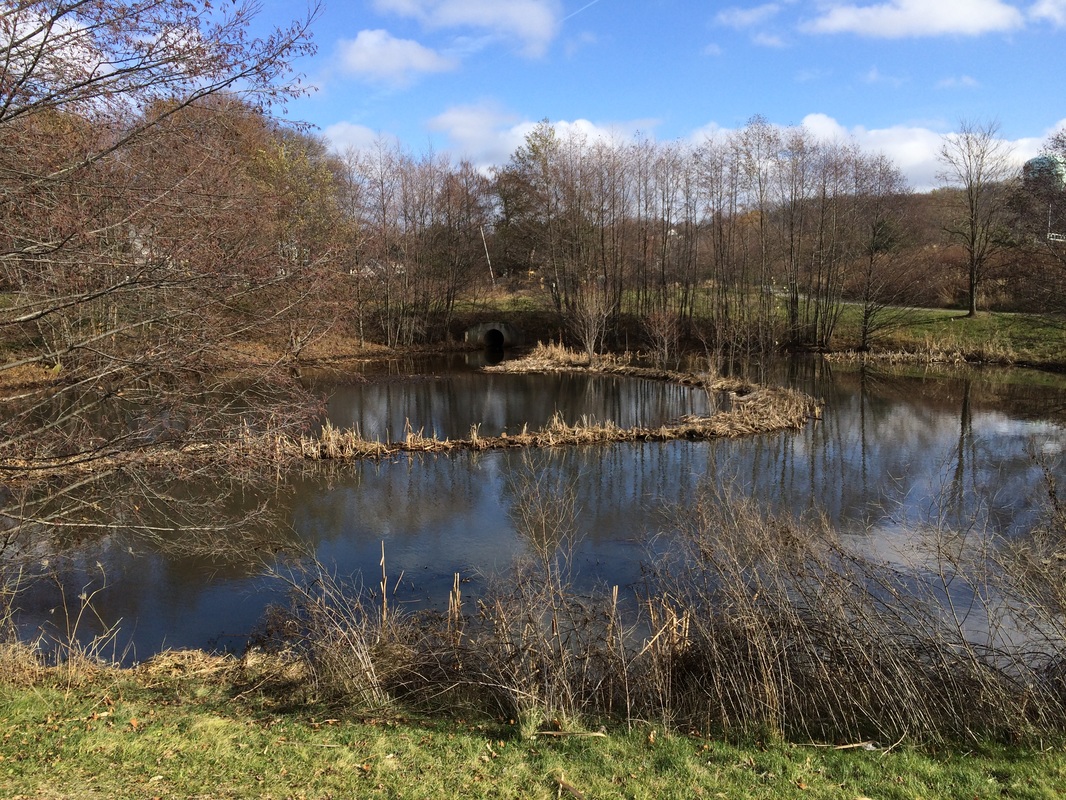
Very informative story shedding light on America's rivers- history, use, climate change or so much more. Take a listen! The goal of the constructed wetland of the Alewife Reservation in Cambridge, MA, completed in 2013, is to clean storm water before it enters Boston Harbor. For more information see City of Cambridge Public Works, The Friends of Alewife Reservation Brochure and The Friends of Alewife Reservation Website.
Good news! According to yesterday's Boston Globe, the two year drought is over for us thanks to a cool and wet spring. See the article here. 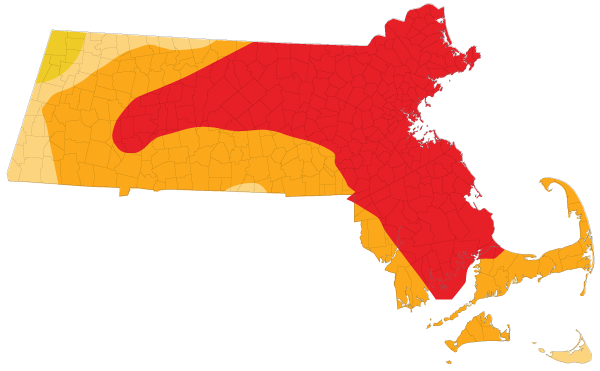 Source: National Drought Mitigation Center, http://droughtmonitor.unl.edu/MapsAndData/MapArchive.aspx The term “resilience” is bantered about a lot these days. But what does it mean in terms of landscape architecture? Due to climate change, the earth’s water levels are rising putting many communities at risk of flooding. Resilient landscapes aim to anticipate future water levels- preparing communities for the worst. That means incorporating green infrastructure so that storm water is absorbed into the ground instead of sent to potentially overcapacity piping systems or raising sensitive equipment above anticipated flood levels. I have been practicing this technique for many waterfront park projects in my work with the US Army Corps of Engineers for decades, designing public open spaces in Indiana and Ohio with annual flooding in mind. Recently, the EPA has begun to encourage planning for resiliency by way of the first National Disaster Resilience Competition, see the link for more specific detail and to learn about the cities and states that are benefiting from this innovative program.  I spent Friday March 20th at the Boston Architectural College as one of many jury members for the Boston Society of Landscape Architects annual awards submittal review. It was a great day of viewing an array or projects both near and far, reconnecting with colleagues spanning my entire career and meeting all manner of heretofore unknown professionals. It was an exhilarating yet humbling experience. I am grateful to have had the opportunity!
 Grant Park, as shown on the Marketplace.org website On October 16th American Public Media's radio program "Marketplace" ran a piece on the marketing of parks- getting people outside and away from their digital devices. Take a listen!
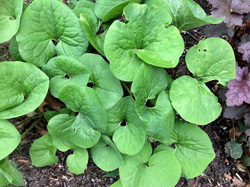
Compare and contrast beloved garden plants and their native alter egos. Here I depict the glossy leaved European Wild Ginger plant with the more subdued but native variety, Canadian Wild Ginger. With similar growing requirements, the two live up to the old adage, "its the same difference"!
|
 Archives
September 2023
CateInspiration comes from the world around us; color, texture, pattern- all components of the ever changing landscape. The camera captures these moments for further reflection. This blog will feature monthly musings centered on the landscape. Categories
All
|
 RSS Feed